
T-Shirts and Fashion: Using Trending Topics to Style
Updated on: 2026-07-19
If you’ve ever stared at a wardrobe full of clothes and still felt like you had “nothing to wear,” you’re not alone. This guide breaks down how to choose t-shirts for fashion that match today’s trending topics—without turning your life into a laundry mystery. We’ll cover smart style choices, practical fit tips, and a checklist you can use before you buy. You’ll also learn how to avoid common mistakes like buying a shirt that looks great in photos and feels like cardboard in real life.
Table of Contents
1. How to Choose T-Shirts for Fashion
2. Did You Know?
3. Comparison: Pros & Cons
4. Buyer’s Checklist
5. Quick Style Moment (Visual)
6. Final Thoughts & Advice
7. Q&A
How to Choose T-Shirts for Fashion
T-shirts are the Swiss Army knife of your closet. They do everything: casual hangs, errands, gym warm-ups, and the occasional “I meant to dress up, but my alarm clock disagreed” situation. But if you want your t-shirts to feel like fashion (not just “fabric you wear”), you’ll need a plan.
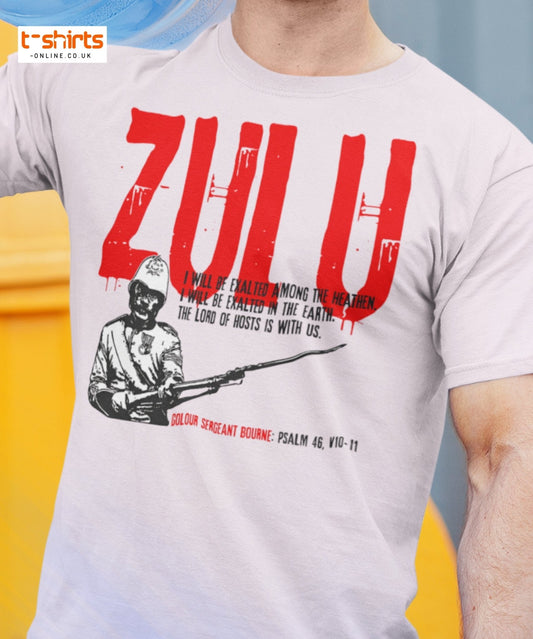
Start with the vibe you’re chasing. In trending topics, style tends to rotate like a carousel, but the wheel fundamentals stay the same: fit, fabric, color, and how the graphic tells a story. Think of your shirt like a mini billboard. It should say something you actually want to hear, not something that makes you hide in plain sight.
1) Pick a fit that flatters, not a shape that argues
When people say “fit,” they often mean “does it look nice.” But fit is also comfort, movement, and how your shirt behaves after a few washes. A well-chosen cut can make you look put-together even if your day started with 4% motivation and a leftover breakfast burrito.
- Classic fit: A safe choice that works for most body types. It’s reliable, like a good playlist.
- Relaxed fit: Comfortable and easy, great for layering. Perfect for when you want style without the tight squeeze.
- Slim fit: A cleaner line that pairs well with jeans and smarter casual looks. Just make sure it doesn’t cling like it’s auditioning for a drama series.
2) Choose fabric like you’re hiring it for a job
Fabric is where comfort lives. If your t-shirt feels scratchy, twists around your torso, or loses shape fast, it won’t matter how good it looks in a photo. Look for materials that feel breathable and hold their form. Cotton blends can be a good middle ground when you want softness plus stability.
A quick rule: if it feels good in your hands and drapes nicely, it will usually behave better on your body. You’re aiming for “effortless,” not “static cling with a side of regret.”
3) Match color to your life, not just your camera app
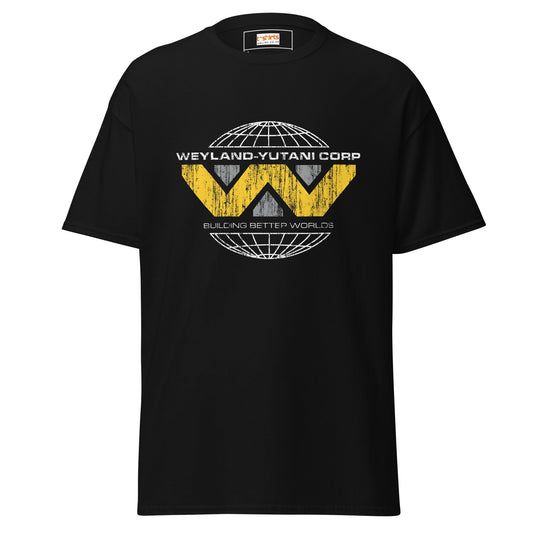
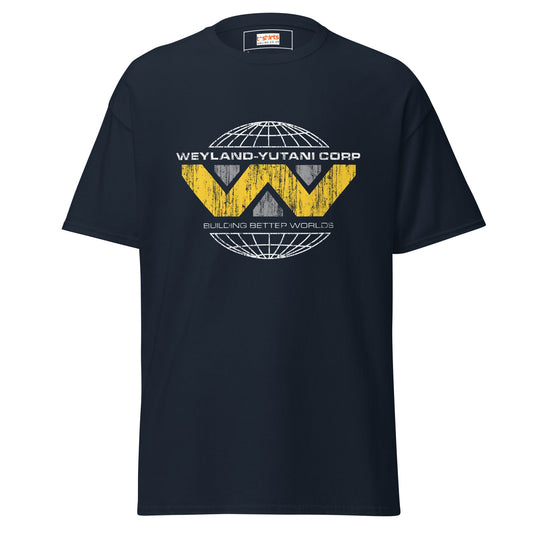
Color is powerful. It changes mood, signals style, and can even make outfits look more intentional. For everyday wear, neutrals like black, white, grey, and navy are easy wins. For a bolder fashion moment, choose one accent color that matches your personality and then repeat it somewhere else in your outfit.
Try this trick: pick a color that makes you feel confident before you even put the shirt on. Confidence is the best accessory, and it doesn’t need ironing.
4) Let the graphic play nicely with your outfit
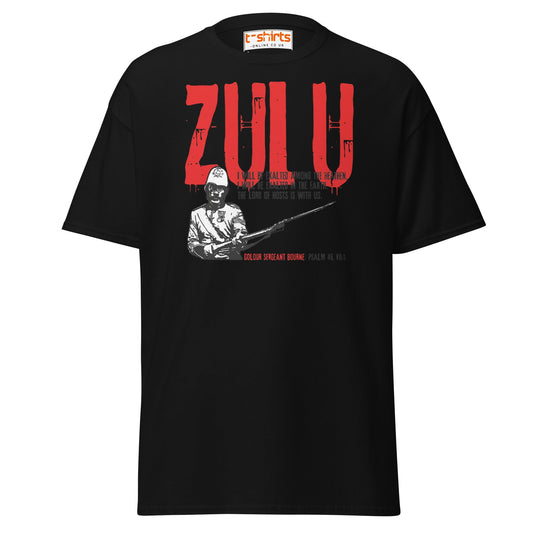
T-shirts often carry the “main character” energy. Whether you like minimalist prints or louder designs, the graphic should work with your overall look. If you’re wearing patterned bottoms or a busy outer layer, keep the graphic simpler. If your outfit is mostly solid, a more expressive design can be the fashion spark.
Also, consider scale. A very large print can feel bold, while smaller designs can look more refined and wearable. Neither is wrong. It’s just a matter of what story you want to tell.
Fit silhouette guide: box, relaxed, and slim shapes
Did You Know?
Style facts are fun. They also save you from making the same “why did I buy that?” mistake twice.
- Trending topics don’t mean constant chaos: Styles change faster than seasons, but fundamentals like fit and fabric still rule.
- Graphics affect how people read your outfit: A crisp print can make a basic t-shirt look intentional, even when your jeans are doing the heavy lifting.
- Comfort is a style multiplier: When a shirt feels good, you wear it with more confidence. Confidence is basically the final filter.
- Color consistency looks more “styled”: Even a simple neutral base can feel fashion-forward when one detail repeats across your look.
If you want a quick way to explore ideas without falling into the “endless scrolling trap,” check your wardrobe like a stylist: pick two outfits you love, then find t-shirts that can join the party.
Comparison: Pros & Cons
Not all t-shirts are the same. Here’s a friendly comparison of common styles and what they’re best at.
-
Minimal designs
- Pros: Easy to match, great for daily outfits, often feels more timeless.
- Cons: If you want loud fashion, you may feel “too subtle.”
-
Bold graphic prints
- Pros: Strong personality, perfect for trending topics, quick outfit upgrade.
- Cons: Can clash with patterned layers if you’re not careful.
-
Layer-friendly basics
- Pros: Works under jackets and overshirts, reliable for changing weather.
- Cons: If the fit is too bulky, layering can get messy.
-
Statement colors
- Pros: Looks fresh and can brighten a simple outfit.
- Cons: If the shade clashes with your wardrobe, it may end up unworn.
In short: there’s no “best” t-shirt. There’s only the one that makes you feel comfortable, confident, and ready to leave the house like a person with a plan.
Buyer’s Checklist
Before you click buy, use this checklist. It’s like a pre-flight safety briefing, except the only thing at risk is your sense of style.
- Check the fit description: Make sure it matches your usual preference (classic, relaxed, or slim).
- Look at fabric notes: Choose softness and structure you can trust.
- Inspect the neckline: A stable collar keeps a t-shirt looking sharp longer.
- Confirm print placement: Consider how the design will sit on your torso when you move.
- Think about wash-and-wear: If you wear it often, prioritise durability and shape retention.
- Match your color palette: Pick at least one color that fits with what you already own.
- Plan your outfit pairing: Ask yourself what jeans, shorts, or jackets it will go with most.
- Set a “comfort test” standard: If the shirt seems stiff or scratchy in photos, it may still disappoint in real life.
If you want to compare options quickly, it helps to decide on a goal first. Are you updating your everyday rotation, chasing trending topics for a fresh look, or building a capsule wardrobe of easy winners? Goals reduce impulse buys and make your closet feel calmer.
Shopping checklist icons: fit, fabric, color, print placement
Quick Style Moment (Visual)
Sometimes you don’t need more advice—you need a simple visual reminder. When you’re choosing fashion-forward t-shirts, your eyes should check three things fast: the silhouette, the fabric feel, and the design balance. If one element feels “off,” the whole outfit can start acting like a group project with one person doing nothing.
Think of it like this: fit is your foundation, fabric is your comfort engine, and the graphic is the personality. Combine them well and you get a t-shirt that doesn’t just exist. It shows up.
Final Thoughts & Advice
Here’s the secret sauce: great t-shirts aren’t about chasing every micro-trend. They’re about picking styles that suit your body, your comfort needs, and the mood you want to carry. When you align those basics, your clothing starts working like a reliable friend. It supports you on weekdays and still looks good when plans change last minute.
If you’re exploring trending topics in fashion, try building your style like a playlist. Keep a few timeless tracks (neutrals, classic fits) and add one or two new tracks (bold graphics, statement colors). That way you stay current without feeling like you live inside a fashion experiment.
Ready to refresh your rotation? Browse ideas and keep your shortlist tight. If you want to see more style inspiration, you can explore t-shirts online and build outfits around your favorites.
And remember: the best t-shirt is the one you’ll actually wear. If it makes you want to walk out the door with a grin, it’s doing its job.
Q&A
What makes a t-shirt look more fashionable?
A fashionable look usually comes from fit, fabric quality, and a design that balances the rest of your outfit. Choose a cut that sits well on your shoulders and doesn’t bunch awkwardly. Then pick a graphic or color that matches the vibe you’re going for—simple for everyday, bold for attention.
How can I choose t-shirts for trending topics without wasting money?
Pick one trend element to test at a time: a graphic style, a color, or a silhouette. Combine it with your wardrobe staples so you can wear the new shirt in multiple outfits. If a trend is very loud, pair it with neutral basics to reduce the risk of it feeling “too much.”
Should I size up or size down for the best fit?
It depends on the fit type and your comfort preference. If you like a relaxed feel, staying true to size often works well for casual styles. For a cleaner look, slim cuts can look great, but avoid sizes that restrict movement. If you’re between sizes, choosing the size that feels comfortable across the shoulders and chest usually prevents regret after a few wears.
How do I keep t-shirts looking good after washing?
Wash according to care guidance, avoid harsh settings, and don’t overstuff your laundry load. Turn shirts inside out if they have prints, and let them dry in a way that helps maintain shape. Simple habits keep your designs sharper for longer.
Disclaimer: This article is for general style guidance only. Product availability, materials, and care instructions can vary by item, so always check the specific details provided with the product you choose.

The content in this blog post is intended for general information purposes only. It should not be considered as professional, medical, or legal advice. For specific guidance related to your situation, please consult a qualified professional. The store does not assume responsibility for any decisions made based on this information.