
T-Shirts and Fashion: How to Wear Trending Topics
Updated on: 2026-07-22
You can absolutely keep up with t-shirts, fashion, trending topics without turning your wardrobe into a chaotic closet museum. This guide breaks down the most common styling mistakes, plus quick fixes you can use today.
We’ll also cover how to choose fabric, fit, and color so your t-shirt looks intentional, not like it escaped from a laundry basket.
Finally, you’ll get practical recommendations and answers to FAQs so you can shop smarter and style faster.
Consider this your friendly compass through the land of everyday tees and headline-worthy trends.
Table of Contents
1. Common Challenges
2. Comparison: Trendy vs. Timeless
3. The T-Shirt Style Playbook
4. How to Spot “Good Trend” Energy
5. Care Tips for Clothes That Don’t Quit
6. Summary & Recommendations
7. Q&A
1. Common Challenges
Let’s be honest: t-shirts are simple until they’re not. One day you’re wearing a tee like it’s your personal theme song. The next day, you look in the mirror and think, “Who is this mysterious shapeless rectangle, and why is it living in my closet?” That’s not fashion failure. That’s just common human behavior—plus a few predictable style traps.
Trap 1: Buying for “vibes,” not for fit
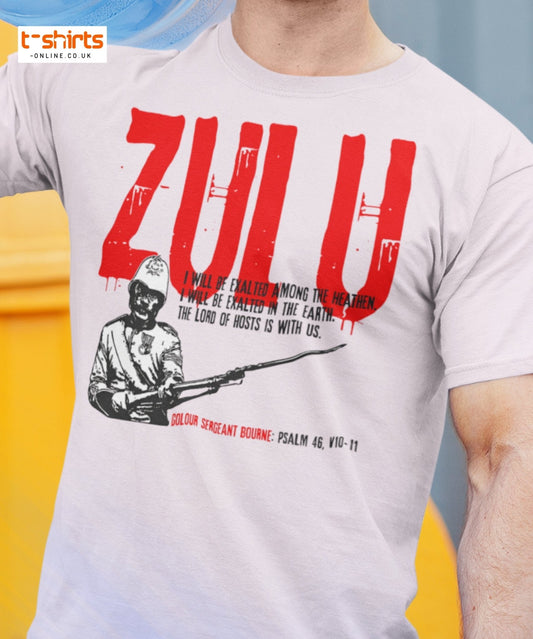
Trends are fun, but fit is non-negotiable. A t-shirt can be the coolest color on earth and still look awkward if the shoulders sit wrong or the body hangs too long. Your goal: sleeves that hit near the upper arm, a neckline that doesn’t fold into a sad origami shape, and a length that works with your outfit (especially if you like tucking).
- Quick fix: Try on and check the shoulder seam. If it drops past your shoulder, consider a different size.
- Quick fix: If the hem fights your waistband, pick a length that sits where you want it without wrestling.
Trap 2: Ignoring fabric and treating all tees like they’re twins
Some t-shirts feel crisp, some feel soft, and some feel like they’re powered by static electricity and regret. Fabric matters because it affects drape, comfort, and how the shirt holds up after a few washes. Cotton is classic for a reason. Blends can add stretch or durability. If you want your tee to look good after repeat wear, pay attention to how it feels and how it recovers its shape.
Trap 3: Over-committing to trend intensity
Trending topics move fast. One week it’s bold graphics, the next week it’s minimalist everything. If you buy every trend like you’re collecting rare Pokémon cards, your closet will become a noisy archive. The solution is balance: mix one trend-forward piece with basics that stay calm and reliable.
- Quick fix: Pair graphic or statement tees with neutral trousers or simple denim.
- Quick fix: Use accessories to “change the story” without replacing the entire outfit.
2. Comparison: Trendy vs. Timeless
Think of your wardrobe like a playlist. You need a few tracks that always work, and a couple songs that make you feel alive. Here’s a simple comparison to help you decide which tees to buy for different moods.
| Style Type | Pros | Potential Downsides | Best Use |
|---|---|---|---|
| Trend-led tees | Great conversation starters, high “wow” factor | May go out of style faster, harder to pair | Events, nights out, seasonal refresh |
| Timeless basics | Easy pairing, consistent wear, dependable fit | Can feel repetitive if you buy the same shade | Everyday outfits, effortless layering |
3. The T-Shirt Style Playbook
If you want your t-shirts to look like they belong in your real life (not just in a fashion fantasy), use this playbook. It’s simple, practical, and slightly fun—like a recipe that never fails.
Step 1: Build around a “core” color
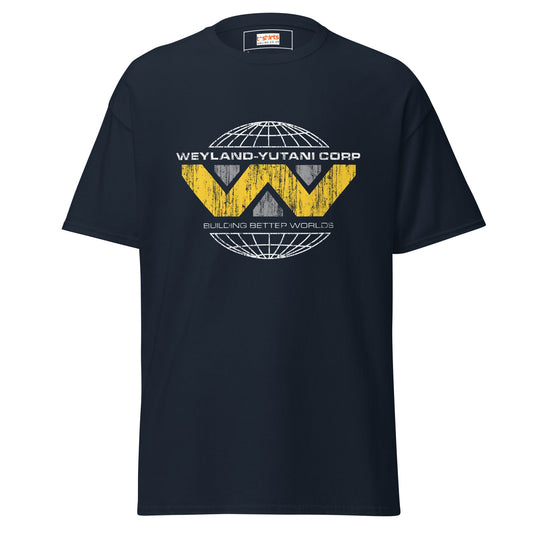
Pick one neutral or versatile base color for most of your tees. Think black, white, grey, or a rich shade that doesn’t scream for attention. Then add trend pieces like accent colors. This strategy helps your wardrobe feel cohesive, even when fashion trends decide to sprint.
Step 2: Match the neckline to your vibe
Necklines affect how your face and overall look frame together. A crew neck is dependable. A slightly wider neck can look more relaxed. If you like a polished finish, a neckline that sits evenly usually wins. If your tee neckline rolls or stretches, your fit may be off or the fabric may not hold shape well.
Step 3: Balance proportions
Proportions are like a good joke: timing matters. If your tee is oversized, pair it with more fitted bottoms. If your tee is slimmer, you can go for a looser jacket or relaxed jeans. The goal is contrast without chaos. Your outfit should look “planned,” not accidentally styled while rushing out the door.
Step 4: Layer with intention
Layering turns a basic tee into an outfit with structure. Add a denim jacket, an overshirt, or a lightweight layer for movement. If you want a crisp look, keep layers clean and avoid too many competing prints. One main visual is usually enough.
Split-screen of fits, lengths, and neckline shapes
4. How to Spot “Good Trend” Energy
Not every trending topic is worth chasing at full speed. Some trends are like fireworks: exciting for a moment, then gone. Others are more like a sturdy umbrella: useful and still relevant when the weather changes. Here’s how to tell the difference, without needing a fashion crystal ball.
Look for versatility signals
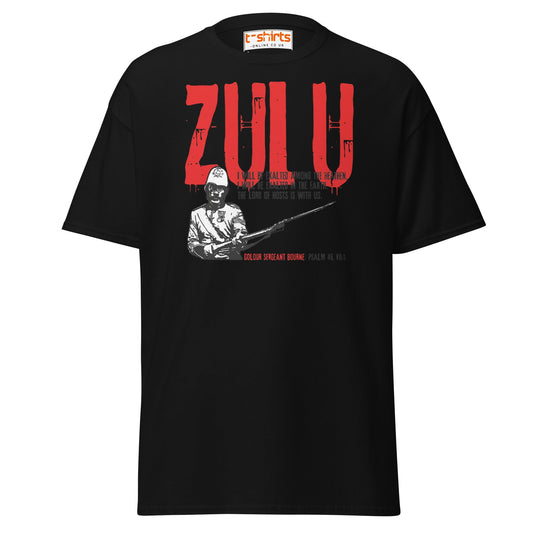
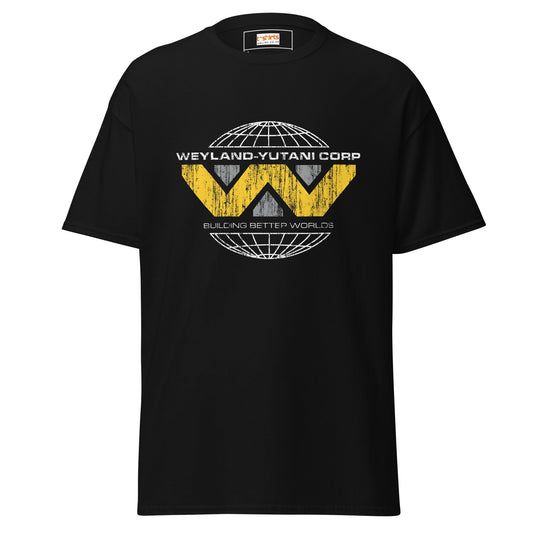
A good trend piece should work in at least two outfit directions. For example, a graphic tee can go casual with jeans or feel smarter with a jacket. If it only works one way, you might wear it twice and then it starts collecting dust like it pays rent.
Choose details that age well
Instead of focusing only on loud graphics, pay attention to styling details that remain attractive. Consider clean typography, classic color combinations, and design choices that don’t rely on one short-lived moment.
Watch for “style friction”
Style friction is when something makes the outfit feel hard to wear. Maybe the color clashes too often, or the print feels too intense for your usual choices. If your tee constantly requires special effort, it’s not a wardrobe hero. It’s more like an energetic side character.
Use one trend rule at a time
Try this: add just one trend element per outfit. That could be a statement tee, a bold layer, or a fresh color combo. This keeps your look balanced and helps the trending piece do its job without being bullied by everything else.
Want more inspiration for your everyday looks? You can browse options at t-shirts online to see how different styles fit into real outfits.
5. Care Tips for Clothes That Don’t Quit
A trending tee is exciting, but the real flex is keeping it looking fresh. Clothing longevity is a love story between you and your washing routine. Don’t worry: you don’t need to become a laundry wizard. Just follow a few easy habits.
Wash smarter, not harder
Turn tees inside out to help protect prints and reduce fading. Use cold or cool water when possible. Avoid overloading the machine. When clothes get jammed together, friction increases and fabrics suffer.
- Quick fix: Wash on a gentle cycle for tees with delicate prints.
- Quick fix: Skip harsh detergents that can wear down fabric softness.
Dry with care
Heat can shrink fabric and stress prints. Air drying is the gentlest option. If you use a tumble dryer, choose a lower setting. Your goal is to keep the tee stable so it keeps its shape for more wears.
Store like you want to wear it tomorrow
Folding helps keep tees neat. If you hang them, use hangers that won’t stretch the neckline. A little storage mindfulness prevents the “mystery deformed neck” situation that no one enjoys.
Spot small issues early
A loose thread is often easier to fix than a full-blown problem later. Keep an eye out for small wear spots near seams or hems. Quick attention can extend a tee’s life and reduce the urge to replace everything all at once.
Icons for cold wash, gentle dry, and careful storage
6. Summary & Recommendations
Let’s wrap this up before your closet becomes a plot twist. To stay ahead in t-shirts, fashion, trending topics, focus on fit, fabric, and balance. Choose a reliable core color, pick neckline styles that suit you, and layer to create shape. When shopping for trends, look for versatility and details that don’t vanish after one news cycle.
For the best results, treat your wardrobe like a team: basics handle the day-to-day workload, and trend pieces add character. If a tee creates style friction, it’s probably not going to earn frequent rotation. Also, taking care of your tees with gentle washing and mindful drying helps them last longer, which is great for your budget and your future self.
If you want a simple next step, explore a fresh selection at Shop t-shirts and choose one versatile base tee plus one trend-forward style. That combo keeps your look current without turning your wardrobe into a full-time job.
7. Q&A
How do I choose the right t-shirt size for a trending look?
Start with the shoulder seam. It should sit near the edge of your shoulder, not droop down your arm. Then check the neckline: it should lie flat without excessive rolling. Finally, look at the hem length in the mirror and decide if you want it tucked, untucked, or slightly cropped by style preference.
What makes a t-shirt feel “fashion-ready” without being too trendy?
Fashion-ready usually comes from balance. Use a clean silhouette, match the tee to your bottom fit, and keep the outfit’s visuals under control. One standout element is enough, whether it’s a graphic, a color, or a special neckline. When the rest of the outfit stays calm, the trend piece looks intentional.
Can I wear graphic t-shirts for everyday outfits?
Yes, and it’s a great strategy for “earned attention.” Pair graphic tees with neutral trousers or classic denim, then add a simple layer like a jacket. Keep accessories minimal so the graphic stays the hero. If the graphic is bold, keep other items subdued.
How do I prevent my t-shirts from fading or losing shape?
Wash inside out on a gentle or cool setting, avoid high heat when drying, and don’t overload your washing machine. If you notice the fabric stretching or prints dulling quickly, adjust your wash cycle and consider air drying. Small changes add up to big improvements over time.

The content in this blog post is intended for general information purposes only. It should not be considered as professional, medical, or legal advice. For specific guidance related to your situation, please consult a qualified professional. The store does not assume responsibility for any decisions made based on this information.